Too Expensive to Get Wrong
 Ken Garff, Founder
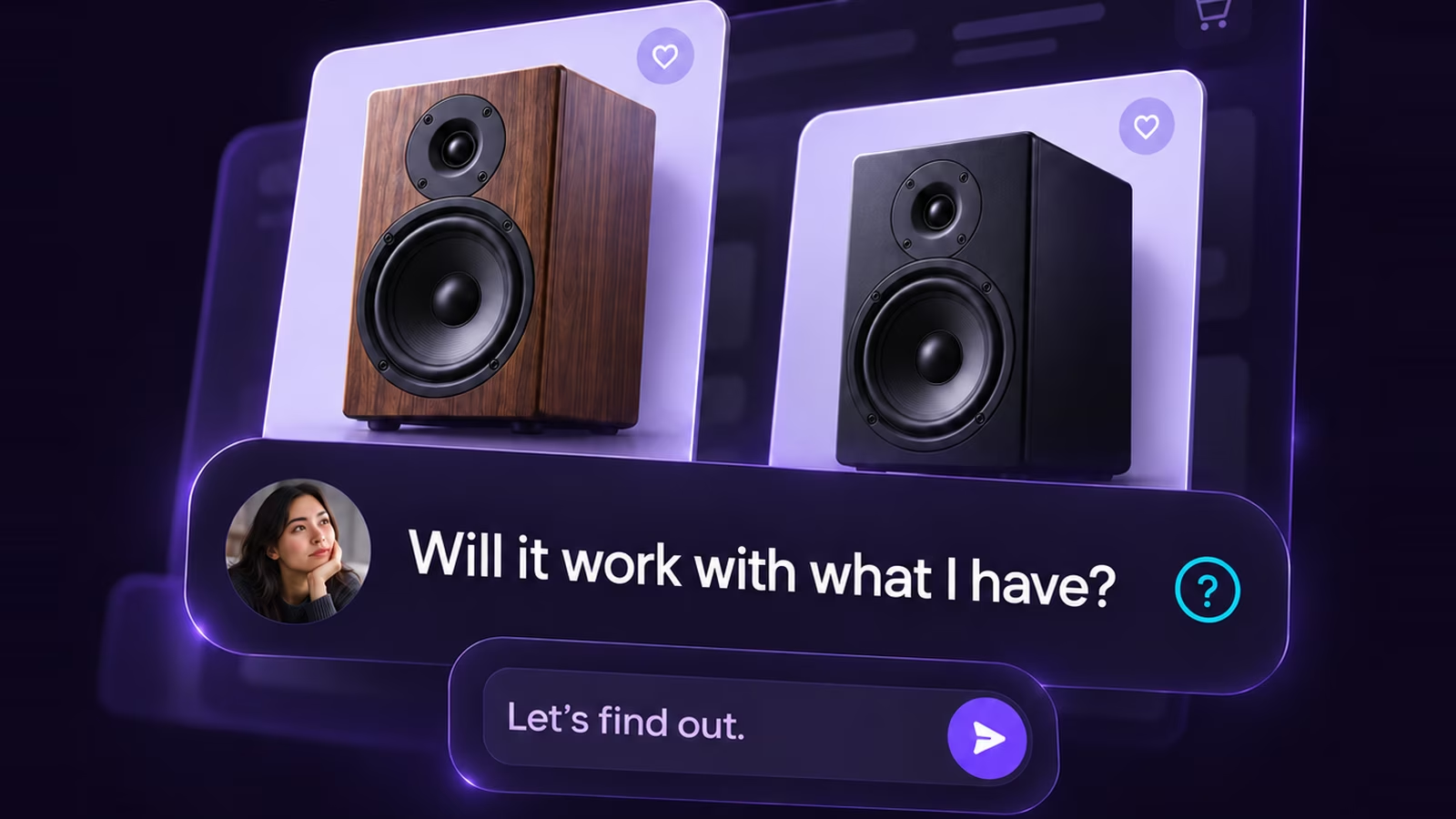
A customer is considering a $1,200 speaker system.
They like the product. The price might even be within their budget. But before buying, they have a few questions.
The biggest one: “Will it work with what I have?”
Will it work with their amplifier? Will it sound right in their room? Is the more expensive model worth the difference? Are they choosing the right system for their needs?
Until they can answer those questions, making the purchase feels risky.
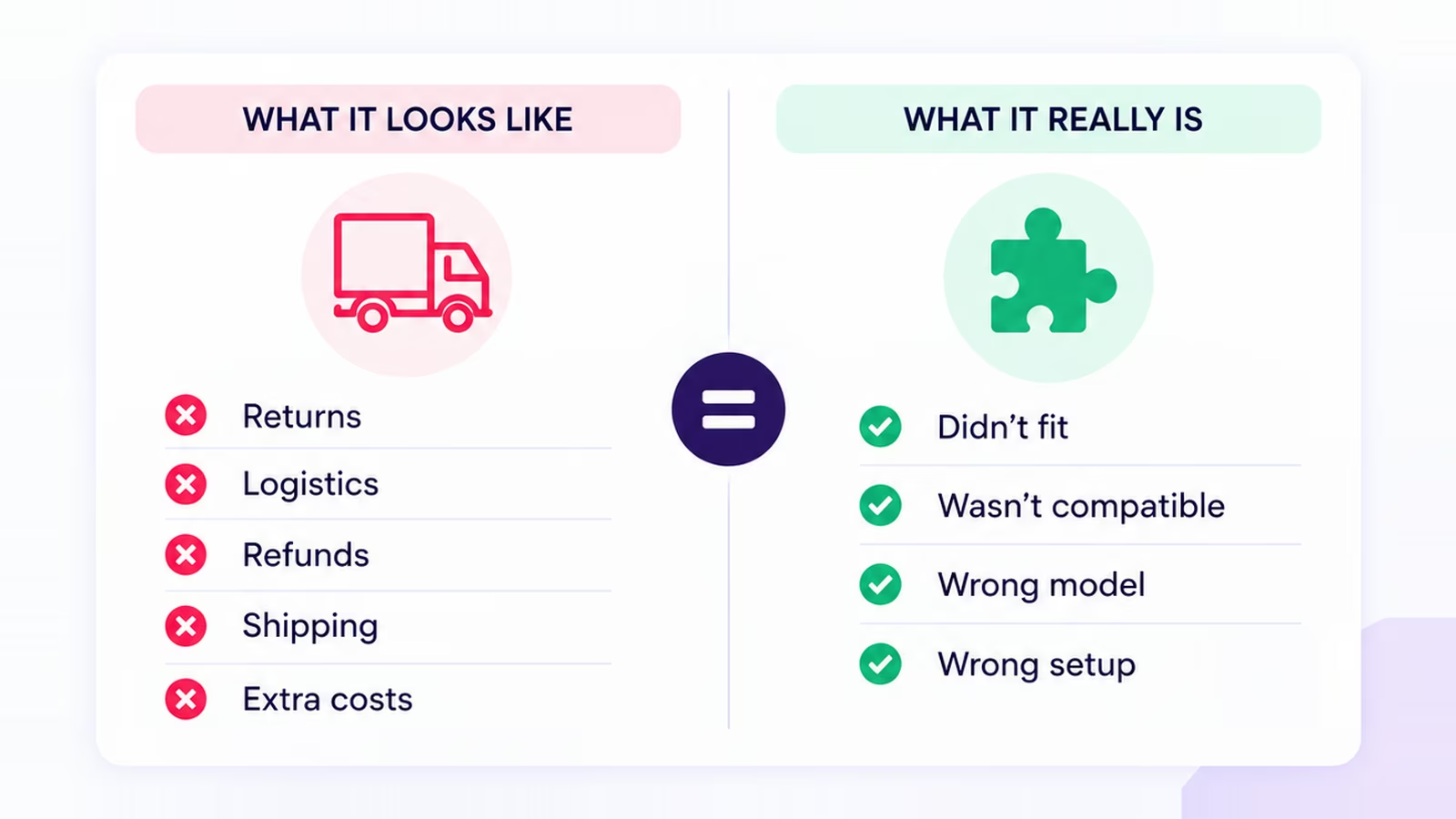
The merchant sees a visitor who didn’t convert. They can’t see the question that stopped them.
Sometimes, what looks like price hesitation is really something else: the fear of spending a significant amount of money on the wrong product.
Price isn’t always the real obstacle
When a shopper says a product is too expensive, it’s tempting to assume the solution is a discount, a promotion, or a cheaper alternative.
Sometimes, that is exactly what they need.
But for high-consideration purchases, price can be only one part of the decision. Customers may also be weighing the consequences of making the wrong choice.
Will the product work with what they already own? Will it meet their expectations? Are they paying for features they need, or features they won’t use?
These questions become especially important when products are expensive, technical, or difficult to evaluate before purchase.
The shopper isn’t simply deciding whether the product is worth the money. They’re deciding whether they have enough information to commit to it.
The hidden questions behind an expensive purchase
Consider someone shopping for audio equipment.
A product page might list power ratings, connectivity options, dimensions, and other technical specifications. The shopper can read every detail and still be unsure whether the system is right for them.
They may need to understand how the product works with their existing equipment, how two models differ in practice, or which option makes sense for their room and listening habits.
The same challenge appears in other categories:
- Automotive parts: Will this part fit my specific vehicle?
- Home improvement: Will this equipment work with my existing installation?
- Technical equipment: Does this model meet my requirements, or do I need a different configuration?
- Luxury products: Is this the right choice for what I want and how I intend to use it?
In each case, specifications provide information, but shoppers may still need help applying that information to their own situation.
Why more product information doesn’t always solve the problem
Providing detailed product information is essential, particularly for technical products.
But there’s a difference between knowing a product’s specifications and understanding whether those specifications make it the right choice.
A shopper may be able to compare two models on paper without understanding which differences actually matter for their needs.
They may also struggle to connect compatibility requirements, technical features, and price to the decision they’re trying to make.
Adding more information doesn’t automatically make that decision easier. What matters is helping customers understand the information that’s relevant to them.
For high-consideration products, the goal isn’t just to answer questions about the product. It’s to help customers understand what those answers mean for their purchase.
How merchants can help customers buy with confidence
When shoppers hesitate over an expensive product, the answer isn’t always to lower the price. Merchants can also examine whether customers have enough guidance to evaluate their options.
Explain compatibility before customers have to ask
Make it clear what a product works with, what requirements it has, and which details customers should check before purchasing.
This is particularly important when a product depends on an existing setup or other components.
Make product differences meaningful
Instead of asking customers to compare specifications without context, explain how the differences between models affect real-world use.
Help shoppers understand why they might choose one option over another and which features are relevant to their needs.
Help customers narrow down their options
Large catalogs can make high-value decisions even harder. Customers may need help identifying which products fit their requirements before comparing individual features.
Guidance based on their intended use, preferences, and existing equipment can help make the decision more manageable.
Answer questions during the buying journey
Customers shouldn’t have to leave the product page and piece together information from several sources to resolve a basic question.
Making relevant answers accessible while shoppers compare options can help them evaluate a purchase more clearly.
Be clear about what a product can and cannot do
Confident purchasing decisions depend on accurate expectations. Clear explanations of limitations, requirements, and differences help customers determine whether a product is genuinely suitable for them.
The aim isn’t to convince every shopper to buy. It’s to help the right shopper make an informed decision.
Bringing specialist-store guidance online
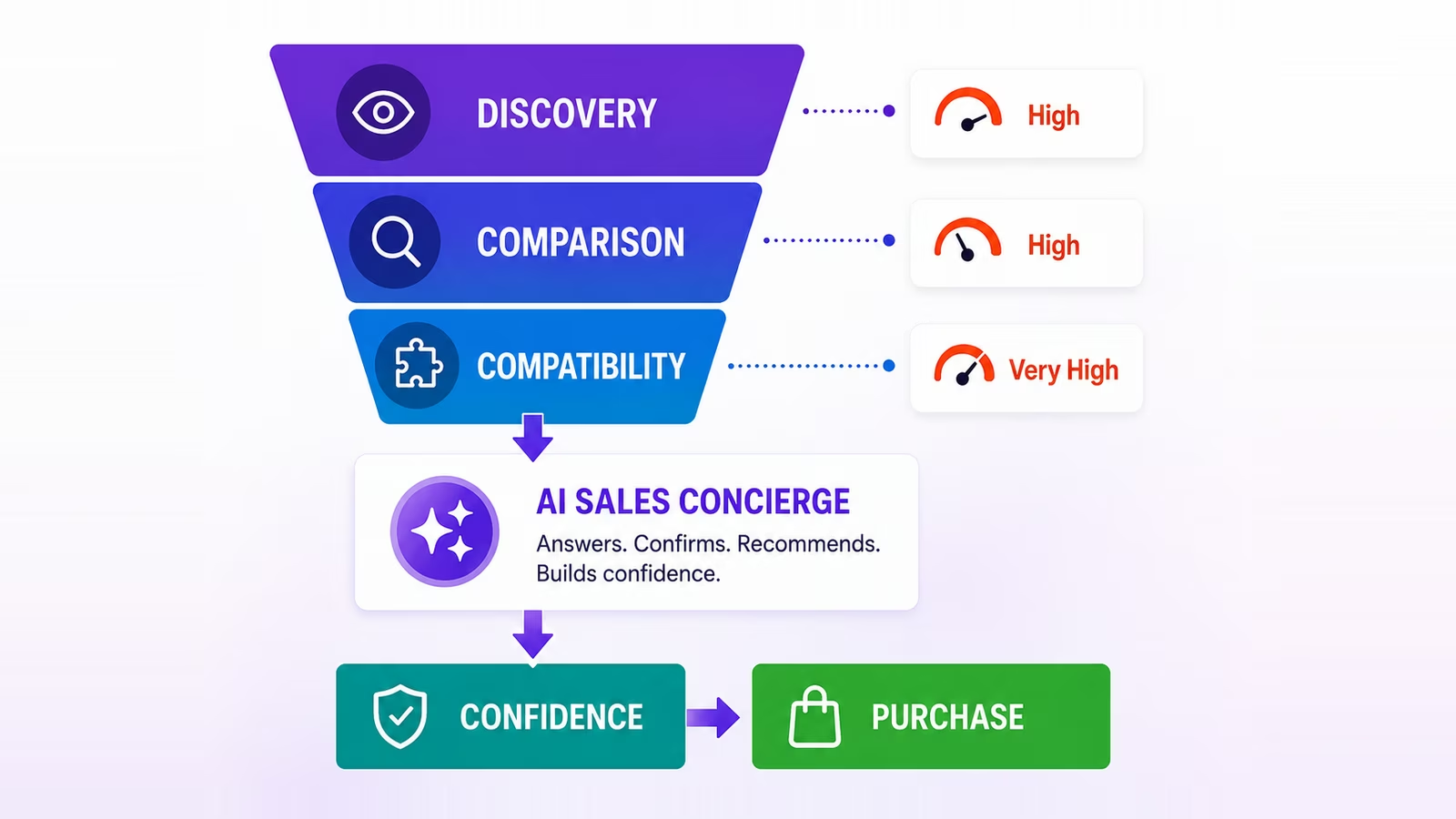
Your best salesperson helps shoppers understand what to buy. Chatsi, an AI shopping assistant, brings that kind of guidance to your website: shoppers ask in their own words and get answers based on your own product information. When the next step belongs with your sales team, Chatsi can capture the inquiry so they can follow up.
A concierge chat lets shoppers ask what they’d ask a specialist in your store: what works with what they already own, and what the pricier option actually adds.
For products that require careful consideration, this creates an opportunity to connect product details with the questions customers are actually asking.
A shopper can explore the differences between options, clarify compatibility requirements, and better understand which products fit their needs.
Rather than simply presenting another list of products, the experience aims to help shoppers work through the decision itself.
That doesn’t remove every concern about price, nor should it. Some products genuinely fall outside a customer’s budget. But when uncertainty is part of the hesitation, better guidance can help customers determine whether a purchase makes sense for them.
Want to see how it would work on your catalog? Book a demo.
The goal isn’t to make every product feel cheaper
For expensive or technically complex products, a successful buying experience is about more than persuading someone to spend more.
It’s about helping them understand what they’re buying, why a particular option may suit their needs, and whether they’re making the right choice.
When customers can evaluate a product with greater clarity, they have a better basis for deciding whether the investment is worthwhile.
Sometimes, “too expensive” really means “I’m not sure enough to risk getting it wrong.”
The opportunity for ecommerce merchants is to help customers resolve that uncertainty before it becomes a reason not to buy.