Why Ecommerce Best Practices Don’t Apply to High-Consideration Retailers
 Ken Garff, Founder
Every ecommerce conference, blog and LinkedIn post seems to offer the same playbook.
- Improve search.
- Optimize filters.
- Reduce clicks.
- Speed up checkout.
- Improve ROAS.
For many brands, that is good advice.
But merchants selling automotive parts, audio equipment, industrial tools, luxury goods or other technically complex products are not solving the same problem as a fast-fashion retailer.
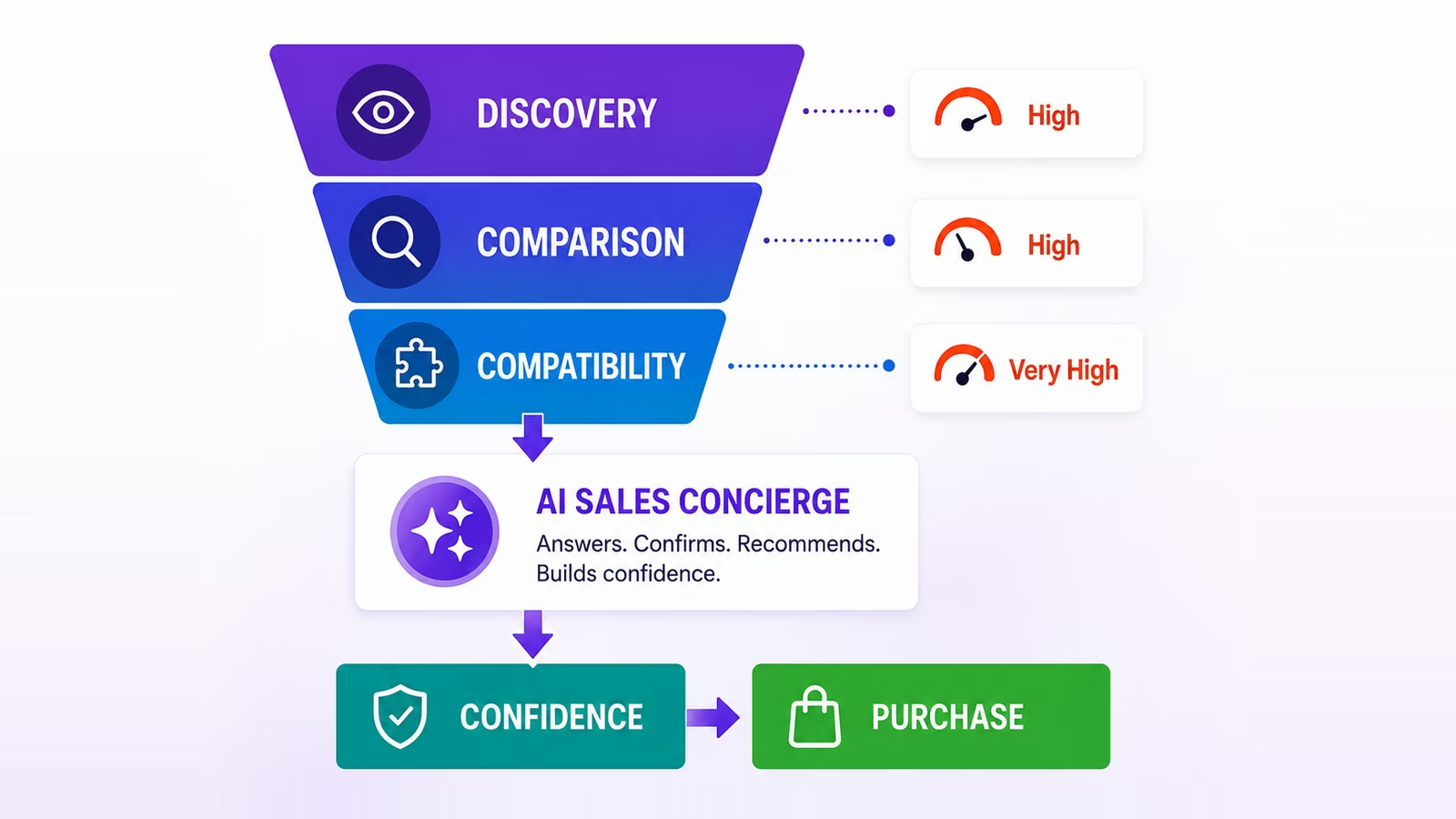
They are solving for confidence.
Most ecommerce best practices assume shoppers already know what they want. They arrive with a product in mind, compare a few options and make a purchase.
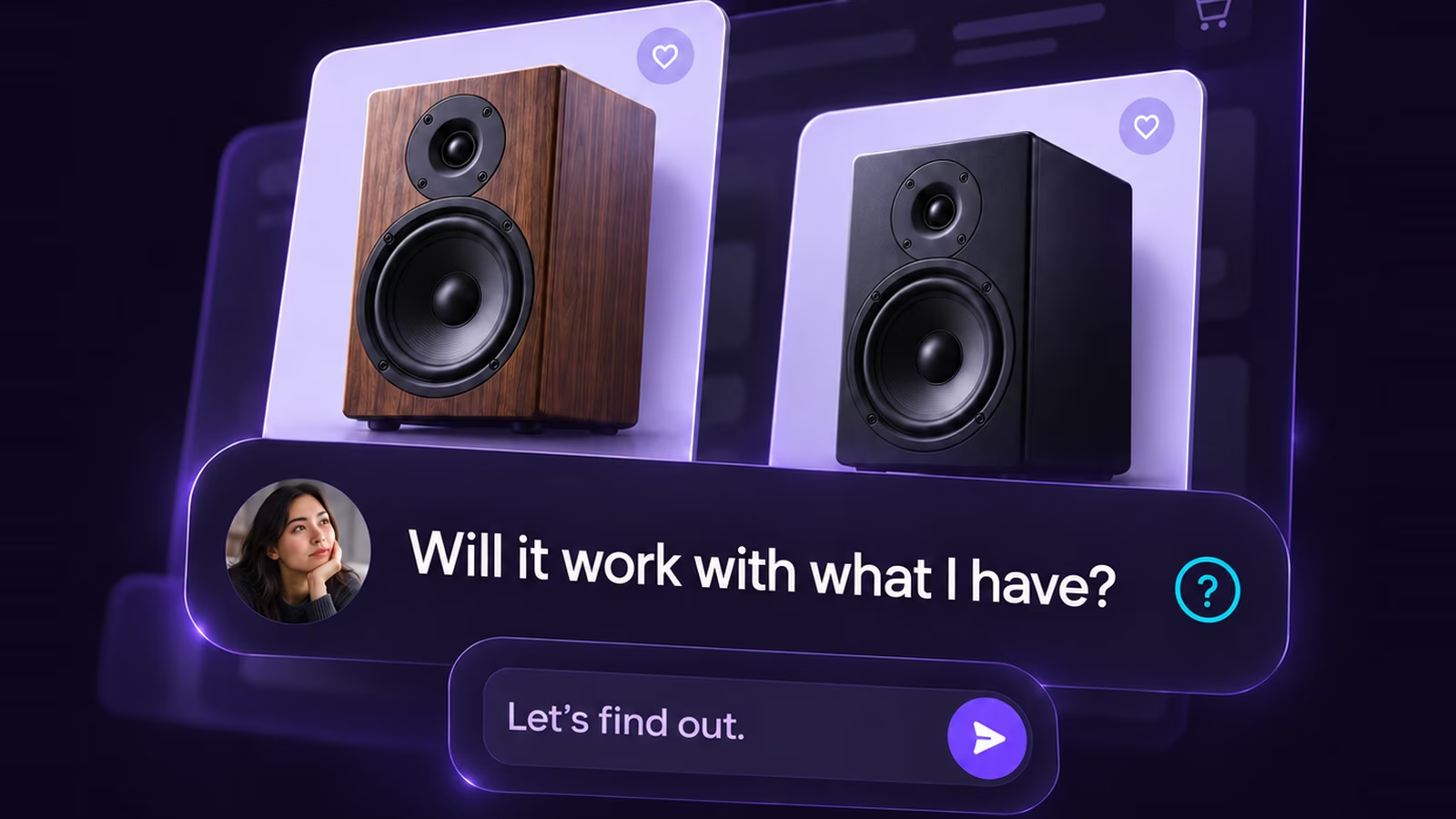
High-consideration shoppers behave differently. They arrive with questions:
- Will this fit?
- What is the difference between these models?
- Which option is right for my situation?
- Am I about to make an expensive mistake?
Until those questions are answered, the purchase often does not happen.
Search alone does not create confidence
A search bar can find products. Filters can narrow a catalog. Product pages can display specifications.
But those tools rarely help a shopper understand which product is right for them.
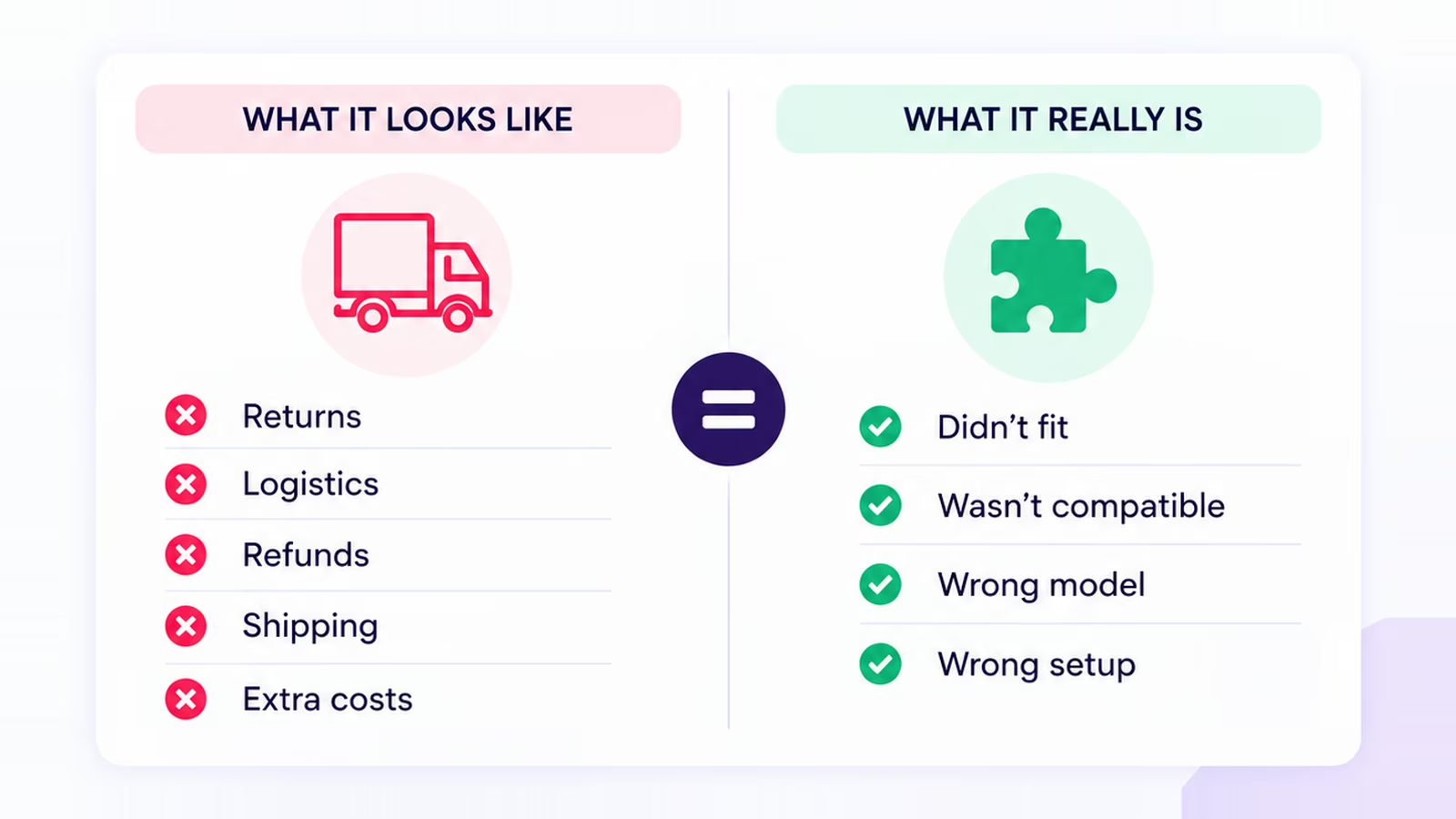
That is why merchants with complex catalogs still face repetitive pre-purchase questions, abandoned shopping sessions and lower-than-expected conversion rates.
The challenge is not simply helping shoppers find products. It is helping them make the right decision.
Guidance is becoming the new standard
The best physical salespeople do not hand customers a catalog and walk away.
They ask questions. They understand the customer’s situation. They explain trade-offs and recommend the right product.
Online shopping is beginning to work the same way. As AI changes how people find information and make purchasing decisions, shoppers increasingly expect guidance, not just navigation.
That shift matters most for high-consideration products, where uncertainty is often the biggest barrier to conversion.
Different products need different playbooks
Selling a $40 item is not the same as selling a $2,000 audio system or a $16,000 golf simulator.
Different buying journeys require different shopping experiences.
The retailers that recognize this first will earn more confidence, more trust and ultimately more sales.